When the Calendar Turns Against You: Coping With Trigger Dates After an Affair
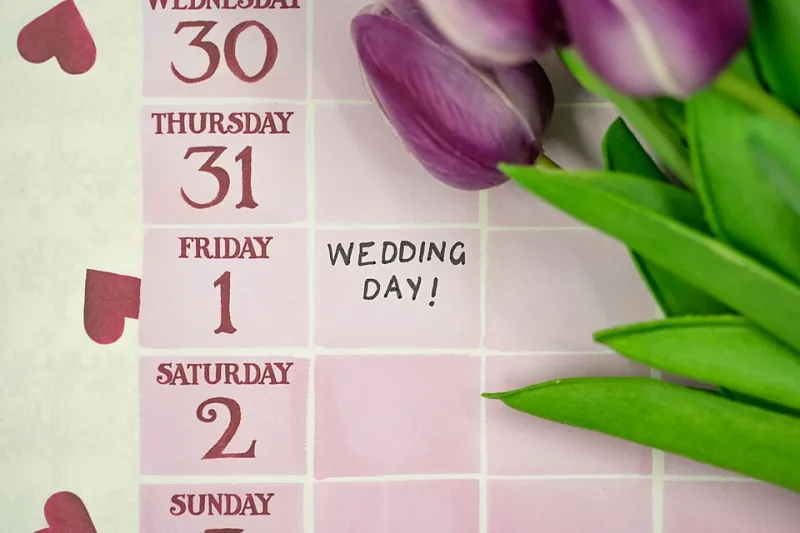
Photo: Claireneon, CC BY-SA 4.0, via Wikimedia Commons
There is a particular cruelty to dates after betrayal. A birthday, a bank holiday, the anniversary of the first message, or a completely unremarkable Tuesday can suddenly carry the weight of discovery. Couples often expect the affair itself to be the difficult subject; they are less prepared for the calendar to become a source of ambush.
In the UK, trigger dates can coincide with Christmas, Mother’s Day, Father’s Day, school holidays, summer leave or the long evenings of early autumn. They can also be intensely private: the date of the first lie, the date of a hotel stay, the date when a partner finally admitted the truth. None of these dates need to be publicly significant to feel overwhelming.
Why dates carry such force
Memory does not store events as neutral records. It links them to sensory detail, emotion and anticipation. A date can act as a reminder even before the conscious mind has named it. The body may react first: disturbed sleep, irritability, a tight chest, a sudden need to check a phone or revisit messages.
This is sometimes called an anniversary reaction. It does not mean that the relationship is failing or that the betrayed partner is choosing to dwell. It means that the nervous system has learned to associate certain days with threat. For the partner who had the affair, the same date may bring shame, dread or a wish to avoid the subject altogether.
Both reactions make sense. The risk is that they pull the couple in opposite directions: one person seeking reassurance and detail, the other withdrawing or becoming defensive.
Setback or relapse? Naming the difference
A setback is a temporary return of intense distress. It may involve intrusive thoughts, a difficult conversation, tears, anger or a few nights of poor sleep. It does not necessarily mean that trust has been broken again. A relapse, by contrast, would involve renewed deception, resumed contact with the affair partner, or another boundary violation. The distinction matters because couples can mistake a painful anniversary for proof that nothing has changed.
That is not to minimise a setback. A difficult date can feel like a crisis, and it deserves care. But it is useful to ask: is this a wave of grief and memory, or is there new evidence of secrecy? If the latter, the couple may need a different kind of conversation and, potentially, professional support.
A practical plan for the weeks around a significant date
Preparation works best when it begins two to four weeks before the date, rather than on the morning itself.
Name the date. Agree together which dates are significant and why. Some couples find it helpful to write them down so that neither person has to guess. Others prefer to name only the most difficult one at first.
Decide what support is needed. One person may want company; another may want space. A short walk, a meal that requires no effort, a quiet evening or a check-in call with a trusted friend can all be part of the plan. Avoid making major relationship decisions on the day itself.
Reduce unnecessary demands. If possible, keep the diary lighter around the date. This may mean declining a social invitation or rearranging a work commitment. It is not avoidance; it is sensible pacing.
Agree a conversation window. Rather than letting difficult material surface at midnight, agree a time to talk. A 20-minute check-in can be enough. The partner who had the affair may need to listen without defending, while the betrayed partner may need to express fear without turning it into a prosecution.
Plan for the ordinary Tuesday. Not every trigger is an anniversary. A song, a route, a work trip or a random weekday can activate memory. The same principles apply: notice the reaction, use grounding techniques, and ask for support early rather than waiting until distress is overwhelming.
How to ask for support without spiralling into blame
Asking for help on a trigger date can be difficult because the need is intense. It helps to be specific and to separate the request from an accusation.
A useful sentence might be: ‘This date is difficult for me. I am not saying you have done anything new. I would like us to spend half an hour together this evening, and I would like to be able to say what I am feeling without it becoming an argument.’ Another might be: ‘I am struggling today. Could you check in with me at lunchtime and again after work?’
The partner who had the affair can also ask for guidance: ‘I know this week may be hard. What would help you feel supported without making the day worse?’ This is not a demand for reassurance; it is an invitation to plan together.
When to seek counselling
Professional support should be considered if distress is affecting sleep, work or parenting for more than a short period; if panic or intrusive thoughts are frequent; if either partner feels unable to stop checking or questioning; or if there are thoughts of self-harm. Couples counselling can help when the same argument repeats without resolution. Individual therapy can help when one person needs a confidential space to process shame, grief or anger.
In the UK, a GP can advise on local services, while accredited counsellors can be found through the British Association for Counselling and Psychotherapy or Relate. Support should be confidential and non-judgemental.
Trigger dates do not vanish because a couple has decided to rebuild. They often become quieter over time, but they may still return. The goal is not to erase the calendar. It is to meet difficult dates with a plan, so that a wave of memory does not have to become a crisis.