Vows Revisited: Deciding Whether a Renewal Would Deepen Repair or Disguise It
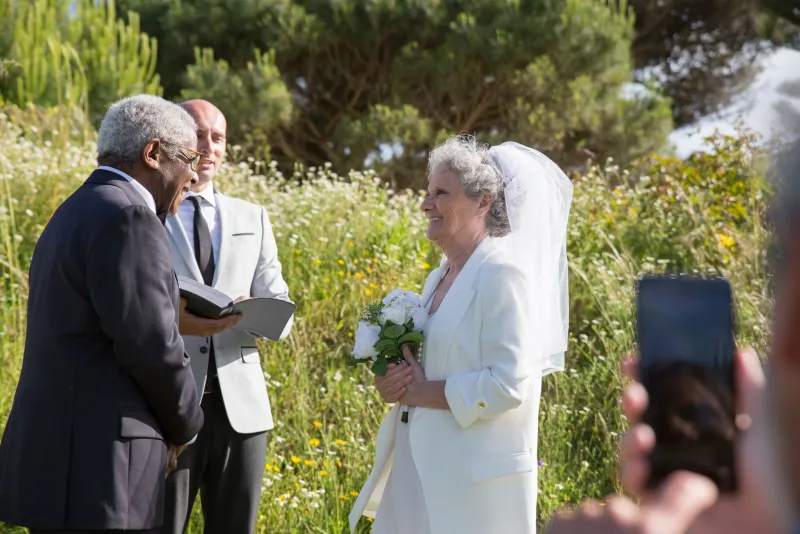
A vow renewal after an affair is rarely a neutral gesture. It can be a sincere marker of recovery, a private statement of intent, or a public signal that a couple wishes to be seen as healed. In the UK, where civil ceremonies, church blessings and celebrant-led gatherings all carry their own social weight, the decision can quickly become entangled with venue deposits, family expectations and photographs. The useful question is not whether a second ceremony is romantic. It is whether it serves the truth of the repair that has already begun.
At Affair Clinic, the guidance we offer is discreet and non-judgemental. Some couples find that a renewal helps them reclaim a date, an anniversary or a sense of shared identity. Others discover that the event is being asked to do work that only conversation, counselling and time can do. Neither outcome is shameful. What matters is that the decision is made honestly, together, and without pressure to perform a recovery that is still in progress.
Why the idea takes hold
After betrayal, many couples long for a clean page. A renewal can feel like a symbolic reset: a way to say that the old chapter has closed and a new one has opened. It may also appeal because it gives shape to an otherwise slow and uncertain process. Family and friends can be invited, words can be spoken, and the relationship can be presented as having survived.
There is nothing inherently wrong with that wish. Symbolism has a place in repair. But symbolism is most helpful when it follows something real. If the ceremony arrives before disclosures have settled, before questions have been answered, or before both partners feel safe enough to be honest, it can become a rehearsal of closeness rather than an expression of it.
Private recommitment before public promise
A useful distinction is between private recommitment and a public event. Private recommitment might involve a written statement, a counselling session, a quiet meal, or a small number of trusted witnesses. It can be deeply meaningful without requiring speeches, outfits or a venue. A public ceremony, by contrast, invites other people to witness a story about the relationship. That can be valuable, but it also adds pressure.
Before planning anything public, each partner should be able to say what the ceremony means to them. Is it a celebration of progress already made? A request for support from family? A way to replace painful memories attached to a particular date? Or is it an attempt to reassure others that everything is fine? The last motive deserves particular care. A ceremony should not require either partner to silence doubts in order to keep the occasion pleasant.
Timing, dates and the temptation to timetable repair
Dates carry power after an affair. An anniversary, a birthday, Christmas or a family gathering can become a trigger, and a renewal may be proposed as a way to overwrite the association. In 2026, with venue costs and family calendars to consider, practical pressure can make the decision feel more urgent than it is. It is reasonable to ask whether a date has been chosen because it is meaningful or because it is available.
There is no universal timetable for readiness. Some couples may feel clear after many months of counselling and honest conversation. Others may need longer before they can stand in front of others without feeling exposed. A useful test is whether the ceremony can be postponed without either partner experiencing it as a rejection. If postponement feels catastrophic, the event may be carrying too much weight.
Family expectations and the need-to-know circle
A renewal often raises questions about who knows what. Children, parents, in-laws and friends may have different levels of information about the affair, the separation or the counselling. Some relatives may welcome the ceremony as reassurance. Others may feel confused if they are expected to celebrate without having been given a truthful frame. Couples do not owe everyone a full account, but they do need a shared understanding of what will be said and what will not.
Children deserve particular thought. A public event can feel destabilising if it suggests certainty that the adults do not yet feel. It can also be comforting if it is explained simply and if the child is not asked to perform happiness for the occasion. The same applies to in-laws and close friends: they should not be recruited into a performance that requires them to pretend the affair never happened.
Symbol, substitute or performance
A renewal becomes a substitute when it is used instead of the harder work of repair. It becomes a performance when it is designed primarily for an audience, whether that audience is relatives, colleagues or social media. Warning signs include one partner being reluctant, extensive secrecy about the reasons for the event, anxiety about how it will look, or a requirement that no difficult subjects be mentioned.
A renewal can be a genuine symbol when it marks something that has already been built: honest conversations, consistent behaviour, a willingness to answer questions, and a shared plan for the future. It should be able to hold complexity. That does not mean airing the affair in a speech. It means the ceremony is not built on a lie.
Designing a ceremony that can carry the truth
Couples who decide to proceed can design an event that feels proportionate and honest. They might choose a small civil ceremony, a humanist celebration, a church blessing where appropriate, or a private exchange of letters. Vows can be written to reflect commitment, honesty and the reality of repair without promising that difficulty is over. Speeches can be brief. Photography can be private. The guest list can be limited to those who genuinely support the couple.
It is also acceptable to hold a private renewal and a separate, simple gathering. The two need not be the same event. What matters is that the ceremony does not ask either partner to pretend. If one person needs to say that they are still working on trust, the format should allow for that truth rather than punish it.
A decision made together
The question is not whether a second ceremony is always wise or always unwise. It is whether this ceremony, at this time, for this couple, supports the repair already underway. A renewal can be a promise. It can also be a performance. The difference usually lies in what has been said before the invitations are sent. If the event grows out of honest conversation, shared counselling and a realistic view of the future, it may deepen the work. If it requires silence, urgency or a convincing smile, it is better postponed.